
Charging Infrastructure That Matches Your Panel Capacity
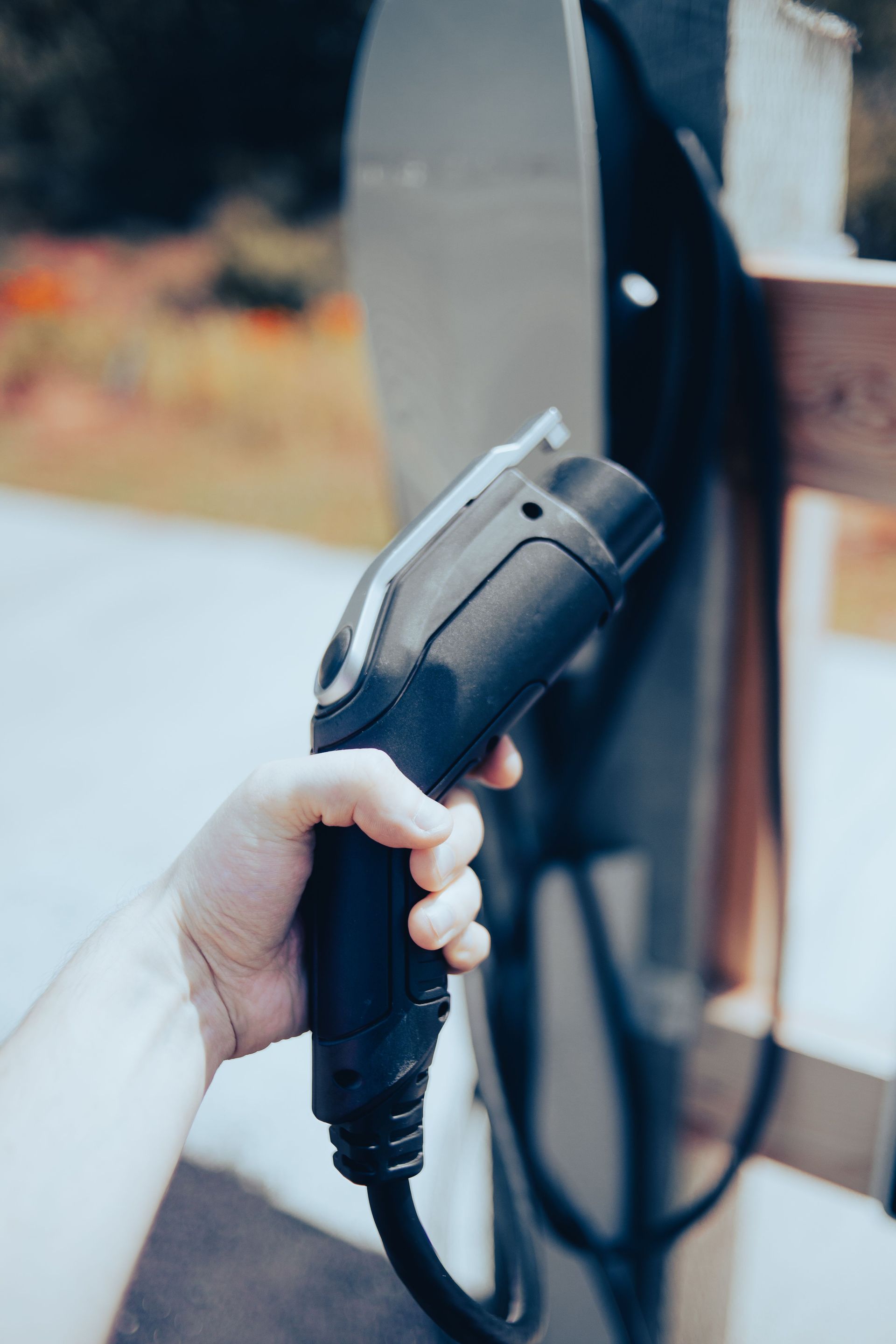
EV Charging Station Installation in Fredericksburg for homes and businesses where existing electrical systems need circuit upgrades
EV adoption is increasing across Fredericksburg, but many older homes and commercial properties lack the panel capacity to support Level 2 charging without upgrades. Baylor Electric LLC installs residential and commercial EV charging stations, handling load calculations, circuit breaker sizing, conduit routing, and permit coordination. The work determines whether your existing panel can support a 240-volt charging circuit or whether a panel upgrade is required before installation proceeds. Fredericksburg building inspections verify that charging circuits meet NEC requirements for grounding, overcurrent protection, and GFCI where applicable.
Installation begins with load calculation to determine if your panel has capacity for the additional circuit demand, typically forty to sixty amps for residential Level 2 chargers. Circuit breaker sizing matches the charger's maximum current draw, and conduit routing protects wiring from garage to exterior mounting locations or from service panel to dedicated parking spaces at commercial properties. Termination options include NEMA 14-50 receptacles for plug-in chargers or hardwired connections for wall-mounted units.
Request a load assessment to determine whether your property requires a panel upgrade before charger installation.
Why Proper Circuit Sizing Works for Long-Term Charging
Load calculation accounts for existing circuits already drawing power in your home or building, ensuring the new charging circuit doesn't overload the main breaker or create voltage drop during simultaneous use. Undersized breakers trip repeatedly during charging sessions, while oversized breakers fail to protect wiring from overheating if a fault occurs. Conduit routing follows the shortest practical path from panel to charger location, minimizing voltage drop and material cost while maintaining code-compliant installation methods.
Once installed, your EV charges overnight or during off-peak hours without tripping breakers or dimming lights in other rooms. Commercial installations allow multiple vehicles to charge simultaneously when circuits are sized correctly and distributed across panel phases. Hardwired chargers eliminate the plug-and-receptacle connection, reducing points of failure and allowing installation in weather-exposed locations where plug connections degrade over time.
Baylor Electric LLC manages permit applications and inspection scheduling, which Fredericksburg requires for all new 240-volt circuits and charging station installations. Panel upgrades proceed before charger installation when load calculations reveal insufficient capacity, preventing failed inspections or repeated service calls for tripped breakers. Commercial projects require coordination with property managers and parking lot striping contractors to designate EV-only spaces and install appropriate signage.
What Property Owners Usually Ask
Homeowners and commercial property managers in Fredericksburg considering EV charger installation typically have similar questions about capacity, cost, and installation requirements.
What's the difference between NEMA 14-50 receptacles and hardwired charger connections?
NEMA 14-50 receptacles allow you to plug in portable chargers or swap charger models without rewiring, while hardwired connections eliminate the plug interface and are required for some commercial-grade chargers. Hardwired installations are also preferred for exterior locations where plug connections could corrode or collect moisture.
How do I know if my panel has capacity for a Level 2 charger in Fredericksburg?
Load calculation adds up existing circuit demand and compares it to your panel's total capacity, typically one hundred or two hundred amps for residential services. If the calculation shows less than twenty percent spare capacity, a panel upgrade or load-shedding device is usually required before adding a charging circuit.
Why do older homes in Fredericksburg often need panel upgrades for EV chargers?
Many homes built before the 1990s have one-hundred-amp service panels designed for lower overall electrical demand. Adding a forty-to-sixty-amp charging circuit often pushes total demand beyond the panel's safe operating capacity, requiring a service upgrade to two hundred amps.
How long does EV charger installation take from start to final inspection?
Most residential installations complete within one to two days if no panel upgrade is required. Panel upgrades add another day or two, plus utility coordination time for meter disconnection and reconnection. Commercial installations vary based on conduit routing complexity and the number of charging stations installed.
What permits are required for EV charger installation in Fredericksburg?
Electrical permits are required for all new circuits and charger installations, with inspection verifying proper grounding, overcurrent protection, and conduit routing. Commercial projects may also require site plan amendments or parking lot modifications depending on local zoning requirements.
Baylor Electric LLC handles load calculation, panel upgrades, and permit coordination for residential and commercial EV charger installations in Fredericksburg. Contact the office to schedule a site evaluation and discuss charger options suited to your property's electrical capacity.