
Lighting Wired to Work Reliably Outdoors
Residential Indoor & Outdoor Lighting in Fredericksburg for kitchens, living spaces, decks, patios, and landscape circuits that need dependable illumination
Pathway lighting along driveways, porch fixtures that operate through winter storms, and recessed ceiling lights in remodeled kitchens all require different wiring methods and weatherproofing strategies. Baylor Electric LLC designs and installs indoor fixtures, recessed and pendant and chandelier wiring, outdoor deck and porch lighting, and landscape circuits for both new construction projects and retrofit installations in existing homes. Fredericksburg properties benefit from outdoor lighting that remains functional through freeze-thaw cycles, and new construction or remodel projects must meet current code requirements for junction box placement, switch loop wiring, and outdoor weatherproof conduit routing.
The installation process begins with junction box placement that provides support for the fixture weight and allows future access for maintenance, followed by fixture wiring that connects hot, neutral, and ground conductors correctly. Dimmer and switch loop circuits require specific wire counts and box fill calculations to meet code. Outdoor installations use weatherproof conduit to protect wiring from moisture and physical damage, and low-voltage landscape wiring connects through transformers that step down line voltage to safer levels for pathway and accent lighting.
Schedule a consultation to review fixture locations, switch placement, and outdoor circuit requirements based on your property layout and lighting goals.
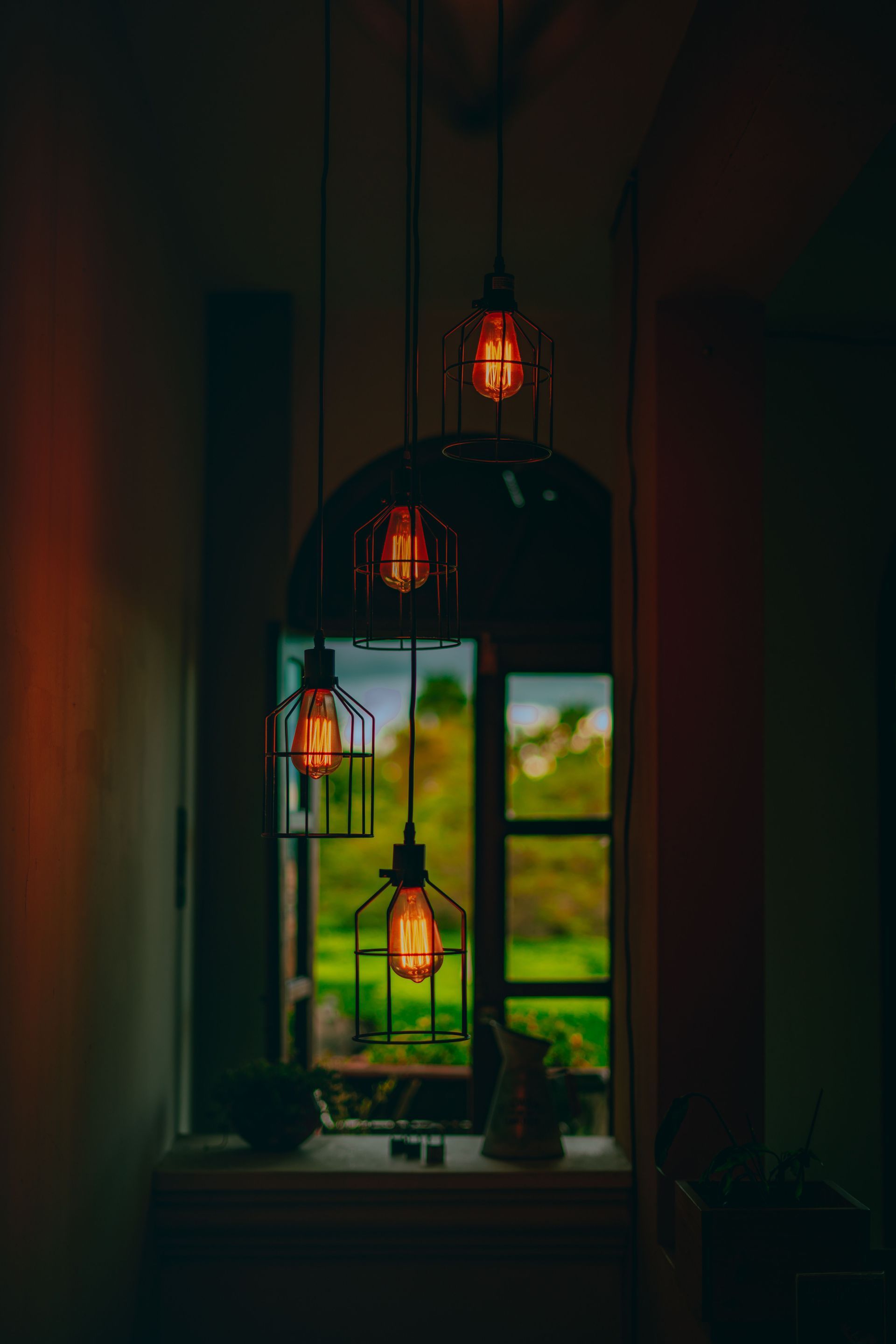
How Lighting Installations Address Different Needs
Indoor fixture wiring involves mounting junction boxes to structural members, running cable from the switch location to the fixture box, and connecting the fixture according to manufacturer specifications. Outdoor installations add weatherproof enclosures, watertight fittings, and conduit that routes wiring safely above or below grade depending on burial depth and exposure. Landscape circuits often use low-voltage systems that reduce shock hazards and allow homeowners to reposition fixtures without requiring an electrician for every change.
After installation completes, indoor lights operate on dimmers without buzzing or flickering, outdoor fixtures remain dry inside and illuminate reliably through rain and snow, and landscape lighting creates even illumination along walkways without dark spots caused by failed connections. Weatherproof outdoor connections prevent water intrusion that corrodes wires and causes intermittent operation, and code-compliant wiring ensures that inspections pass without requiring modifications after fixtures are already installed.
Lighting projects often coordinate with other contractors during remodels, requiring precise timing to install junction boxes before drywall closes up wall cavities and to position outdoor conduit before concrete pours or landscaping installation. The work includes both new construction—where wiring routes through open framing—and retrofit projects that require fishing cable through finished walls and ceilings.
Answers to Frequent Lighting Questions
Property owners planning lighting upgrades or new installations typically ask about dimmer compatibility, outdoor durability, and permitting requirements.
What makes outdoor lighting weatherproof?
Outdoor fixtures use gaskets and sealed enclosures to keep water out, and the wiring enters through watertight fittings that prevent moisture from traveling into junction boxes. Conduit protects the cable from physical damage and UV degradation, and GFCI protection shuts off power if water creates a ground fault.
Can you install dimmers on all types of lighting?
Incandescent and halogen fixtures dim with standard rotary or slide controls, but LED fixtures require dimmers specifically rated for LED loads to avoid buzzing, flickering, or reduced lifespan. The dimmer must match the fixture type and total wattage to function correctly.
How deep does landscape lighting conduit need to be buried in Fredericksburg?
Low-voltage landscape wiring typically buries six inches below grade when protected by conduit, while line-voltage circuits require 18-inch burial depth for direct-burial cable or 12 inches when run through rigid conduit. Depth requirements prevent damage from lawn aeration, edging, and frost heaving during winter freeze cycles.
What's the difference between new construction and retrofit lighting installation?
New construction allows routing wire through open framing before walls are closed, making installation faster and less invasive. Retrofit projects require fishing cable through finished walls, cutting access holes for junction boxes, and patching drywall after wiring is complete.
When do lighting projects require permits?
Most jurisdictions require permits for new circuit installation, outdoor wiring, and any work that involves opening walls to install junction boxes. Simple fixture replacement on existing wiring typically does not require a permit, but adding circuits or relocating switches and outlets does.
Baylor Electric LLC handles both design and installation for indoor and outdoor lighting, coordinating with remodel schedules and ensuring weatherproof outdoor connections meet code before inspections. Contact the team to discuss fixture types, circuit placement, and switch configurations tailored to your specific lighting needs.