
Panels Sized for What You Actually Use
Residential Electrical Panel & Circuit Upgrades in Fredericksburg for homes that trip breakers during normal use or need capacity for additions and remodels
Older homes in Fredericksburg often operate with 60-amp or 100-amp panels that were adequate when built but no longer support modern heating systems, kitchen appliances, electric vehicle chargers, and central air conditioning running simultaneously. Baylor Electric LLC provides master-licensed panel replacement and circuit breaker upgrades, managing the full scope from load calculation through final inspection. Code requires panel upgrades when additions or remodels increase electrical demand beyond the existing service capacity, and Fredericksburg building officials enforce strict bonding and grounding standards during inspections.
The upgrade begins with a load calculation that totals the amperage required by all circuits, determines whether the existing service drop can supply the needed capacity, and sizes the new panel accordingly. Main breaker replacement, new circuit installation, bonding and grounding verification, and permit coordination follow in sequence. Only a master electrician can perform this work legally in Virginia—journeyman licenses do not authorize panel replacement or service upgrades—so the project must be scoped and executed under master-level oversight to meet state and local requirements.
Arrange an on-site evaluation to calculate your home's total electrical load and determine the panel size required for current and planned use.
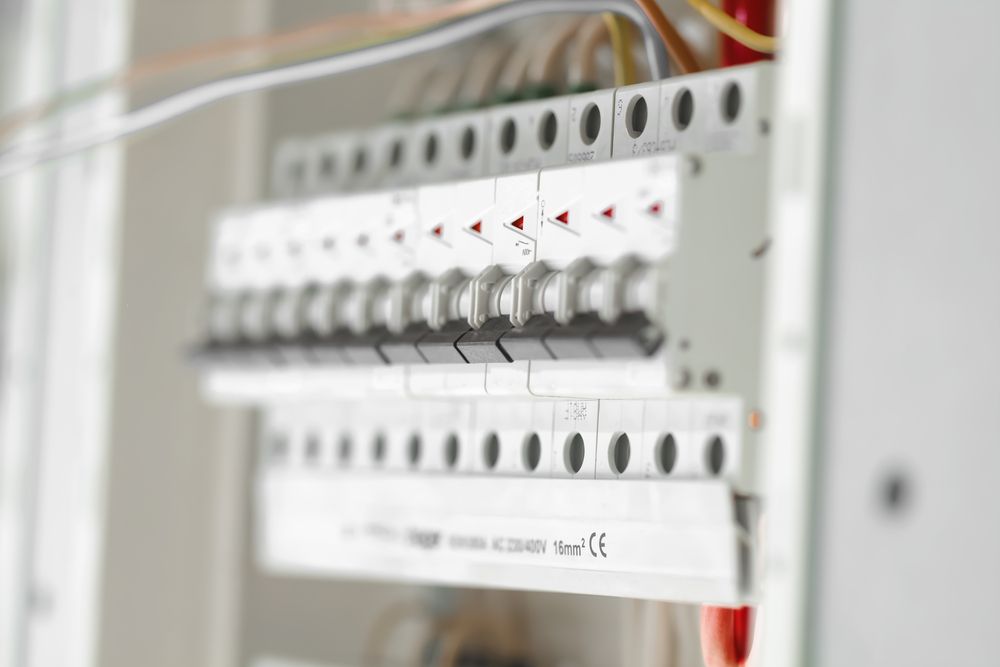
What Changes After the Panel Is Replaced
Panel replacement involves shutting down power to the home, disconnecting the existing service conductors, mounting the new panel enclosure, transferring each circuit to the new breakers, and reconnecting the service drop once all circuits are verified. The process includes upgrading grounding and bonding connections to current code, labeling each breaker with the rooms or devices it controls, and coordinating with the local building department to schedule the required inspection before the utility re-energizes the service.
Once the upgrade is complete, you'll notice that multiple high-draw appliances operate simultaneously without tripping breakers, new circuits support dedicated loads like EV chargers or workshop equipment, and the panel provides space for future additions without requiring another service call. The home passes inspection on the first attempt because the work meets all bonding, grounding, and circuit protection requirements before the inspector arrives, avoiding the delays and rework that come from failed inspections.
The upgrade includes transferring all existing circuits to the new panel, installing AFCI and GFCI breakers where code requires them, and balancing loads across both legs of the service to prevent voltage imbalances. Some projects also require upgrading the service drop from the utility pole if the existing conductors cannot safely carry the increased amperage, which adds coordination time but ensures the entire system—from the transformer to the panel—operates within rated capacity.
Common Questions About Panel Upgrades
Homeowners planning remodels or experiencing frequent breaker trips usually want to know about the permitting process, timeline, and what qualifications are required to perform the work.
What qualifies an electrician to replace a panel in Virginia?
Only a master electrician holds the license required to design, install, and permit electrical panel replacements. Journeyman electricians can assist with the physical work but cannot sign off on permits or take responsibility for the scope without master-level supervision.
How long does a panel upgrade take from start to finish?
Most residential panel replacements require one full day for the physical work, plus additional time for permit application, utility coordination, and final inspection. Scheduling the inspection and receiving approval typically adds several days to the total timeline.
Why do some homes need a service drop upgrade along with the panel?
Homes originally wired for 60-amp or 100-amp service have conductors from the utility pole sized to match that capacity. Upgrading to 200-amp service requires larger conductors that can safely carry the increased current without overheating, and the utility company handles that portion of the work after the panel is ready for reconnection.
What does load calculation determine?
Load calculation totals the amperage drawn by all hardwired appliances, lighting circuits, outlet circuits, and heating or cooling equipment to determine the minimum panel size required. The calculation also accounts for future expansion so the new panel has capacity for planned additions without requiring another upgrade in a few years.
When does Fredericksburg require a panel upgrade?
Code requires upgrading the panel when remodels add significant electrical load, when existing panels are damaged or unsafe, or when adding circuits that exceed the current panel's rated capacity. The building department reviews load calculations and issues permits only when the proposed panel size meets or exceeds the calculated demand.
Baylor Electric LLC manages the entire process—from calculating loads and pulling permits to coordinating inspections and final energization—so the project proceeds without regulatory delays or rework. Request a load assessment to determine whether your current panel supports planned upgrades or requires replacement before new circuits can be added.